


Xbox's AI Overhaul: What Phil Spencer's Exit Means for Xbox
- Feb 24 2026
-

Phil Spencer, the beloved CEO of Microsoft's gaming division, has retired after 38 years with the company. The news, first reported by Game Informer and then echoed across the industry, comes alongside the departure of Xbox President Sarah Bond. Stepping into the CEO role is Asha Sharma, an executiive with deep roots in artificial intelligence, but little in the way of gaming experience, signaling a potential overhaul for Xbox's future. This seismic shift arrives at a pivotal moment, as the industry grapples with AI's expanding role in game development and player experiences. Gamers, developers, and analysts alike are buzzing with questions: Does this mean innovative breakthroughs or a slippery slope toward automated mediocrity?
The retirement caps Spencer's era of bold moves that redefined console gaming, but it also ushers in uncertainty. With Microsoft positioning AI as the next frontier, the gaming community is on edge, wondering how this change will ripple through beloved franchises and subscription services like Game Pass.
The Leadership Shake-Up
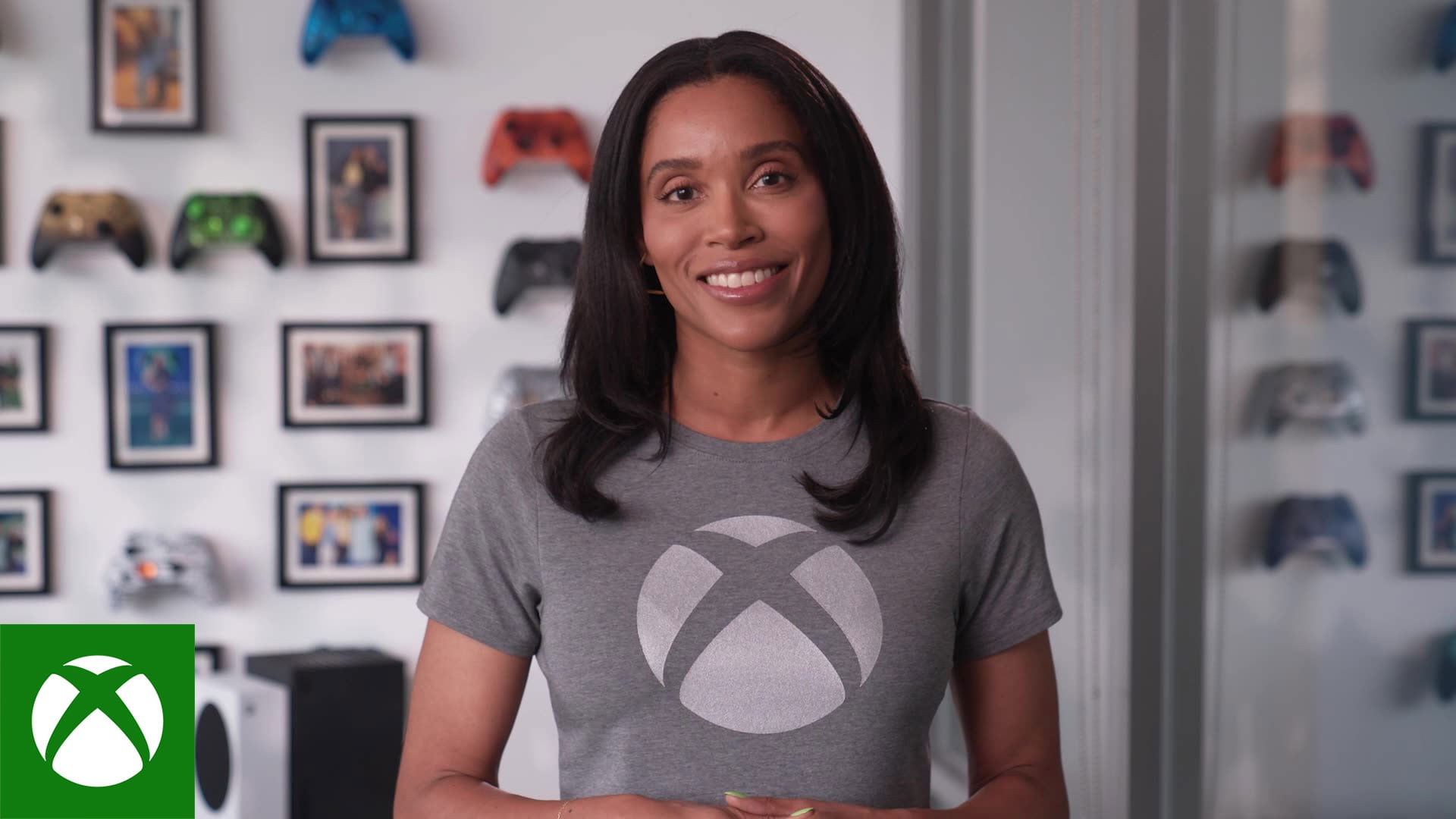
Phil Spencer's tenure at Xbox was nothing short of transformative. Joining Microsoft in 1988 as a marketer for early PC titles, he climbed the ranks to become the face of Xbox, steering the brand through triumphs and challenges. His legacy is etched in several key achievements:
Launching Xbox Game Pass in 2017, revolutionizing how players access games with a Netflix-style subscription model that now boasts over 34 million subscribers.
Overseeing massive acquisitions, including ZeniMax Media (home to Bethesda and id Software) in 2021 for $7.5 billion, and Activision Blizzard in 2023 for a record $68.7 billion, expanding Microsoft's portfolio to include hits like Elder Scrolls, Doom, and Call of Duty.
Championing cross-platform play and cloud gaming, making Xbox more accessible and fostering a 'play anywhere' ethos that blurred lines between console, PC, and mobile.
Spencer's approachable style and focus on player-centric decisions earned him widespread respect, often positioning him as a counterbalance to more corporate-driven strategies.

Now, the reins pass to the new CEO, Asha Sharma, an AI specialist who previously lead Microsoft's Azure AI initiatives. While Asha brings a wealth of experience in machine learning and AI deployment in the enterprise, her game experience is lacking. Her background suggests a strategy that may try to blend cutting-edge tech with gaming's artistic core, but it's easy to be skeptical about how this could all play out.
Implications for Xbox Strategy

Under this AI-focused leadership, Xbox's strategy could evolve dramatically, particularly in game development and player engagement. Imagine AI-powered enhancements in flagship titles: smarter NPCs in Halo Infinite that adapt dynamically to player tactics, or procedural generation in Forza Horizon that creates endless, personalized racing environments based on user preferences. Microsoft's investments in AI, like the Copilot system, could extend to Game Pass, offering tailored recommendations or even generating custom mods on the fly.
However, risks loom large. Over-reliance on AI might streamline production but could homogenize content, leading to repetitive experiences that feel derived rather than passionately crafted. Recent controversies around AI promotions, such as Microsoft's deleted post using AI-generated art for indie games, underscore potential missteps in balancing innovation with authenticity.
This pivot aligns with Microsoft's broader push into AI across its ecosystem, but for Xbox, it could mean accelerated integration in upcoming hardware like the next-gen console, rumored for 2028. Developers at studios like 343 Industries and Turn 10 might see AI tools for faster iteration, but only if guided by ethical frameworks to preserve creative integrity.
What This Means for Players
For everyday gamers, this overhaul presents a double-edged sword. On the positive side, AI could deliver groundbreaking features: more immersive worlds with adaptive storytelling, reduced load times via intelligent optimization, and personalized Game Pass libraries that evolve with your playstyle. Ethical AI promises, as outlined by Sharma, could ensure these enhancements amplify fun without compromising quality.
Yet, the downsides are stark. Job losses in art and design roles have already hit the industry hard, with recent Ubisoft layoffs cited as a cautionary tale of tech-driven efficiencies gone awry. Creative dilution is another concern; if AI generates assets en masse, games might lose the unique flair that defines franchises, we could end up with all games looking the same and running on the same engine. We'll just have to wait and see how this is all handled as Xbox moves forward.
Phil Spencer's exit marks the end of an era, but the AI-infused future under new leadership could either redefine Xbox and turn the ship around, or crash it on the rocks for good. As the industry navigates trends like widespread layoffs, Microsoft's approach could be a stark test for how game companies can integrate AI without losing the soul of game development.
Here's hoping the future at Xbox is bright. And thanks to Phil for all the great memories, I hope you have a great retirement.
