


Best Roguelikes on PC Right Now (August 2026)
- Apr 14 2026
-

Roguelikes went from a niche subgenre to the most creatively vital corner of PC gaming in under a decade. Slay the Spire moved 5.3 million copies in its first month. Balatro, a poker roguelike made by one person, sold five million. Hades II keeps shipping updates that would qualify as full DLC from any other studio. The genre is eating the industry, and this is your front door to everything roguelike on GameMinr, the games worth playing, the ones coming next, and where to start if you're new.
What Is a Roguelike?
A roguelike is a game built around short, replayable runs with permadeath: when you die, you start over. Procedural generation means no two runs are the same. Progression comes from player knowledge and skill, not saved progress. The name traces back to 1980's Rogue, a dungeon crawler where every playthrough was different because the levels were randomized and death was permanent.
Modern "roguelikes" (more accurately called roguelites) usually add meta-progression: unlocks, currencies, and permanent upgrades that carry across runs. Hades wouldn't work without its mirror of night upgrades. Slay the Spire wouldn't stick without new cards unlocking after each run. The distinction matters for game design, but in practice everyone just says "roguelike" and moves on.
The genre has splintered into recognizable subgenres. Deckbuilder roguelikes (Slay the Spire, Balatro) give you a hand of cards and let you break the game with build synergies. Action roguelikes (Hades, Dead Cells) are about moment-to-moment combat execution. Autobattler roguelikes (Vampire Survivors, Brotato) strip away direct combat controls and make your build choices the whole game. Traditional roguelikes (Caves of Qud, Dwarf Fortress Adventure Mode) stay close to the original formula: turn-based, grid-based, no meta-progression, and absolutely ruthless.
Best Roguelikes Right Now
Our top picks, continuously updated. Every game here earned its spot, we're not padding the list.
1. Slay the Spire 2
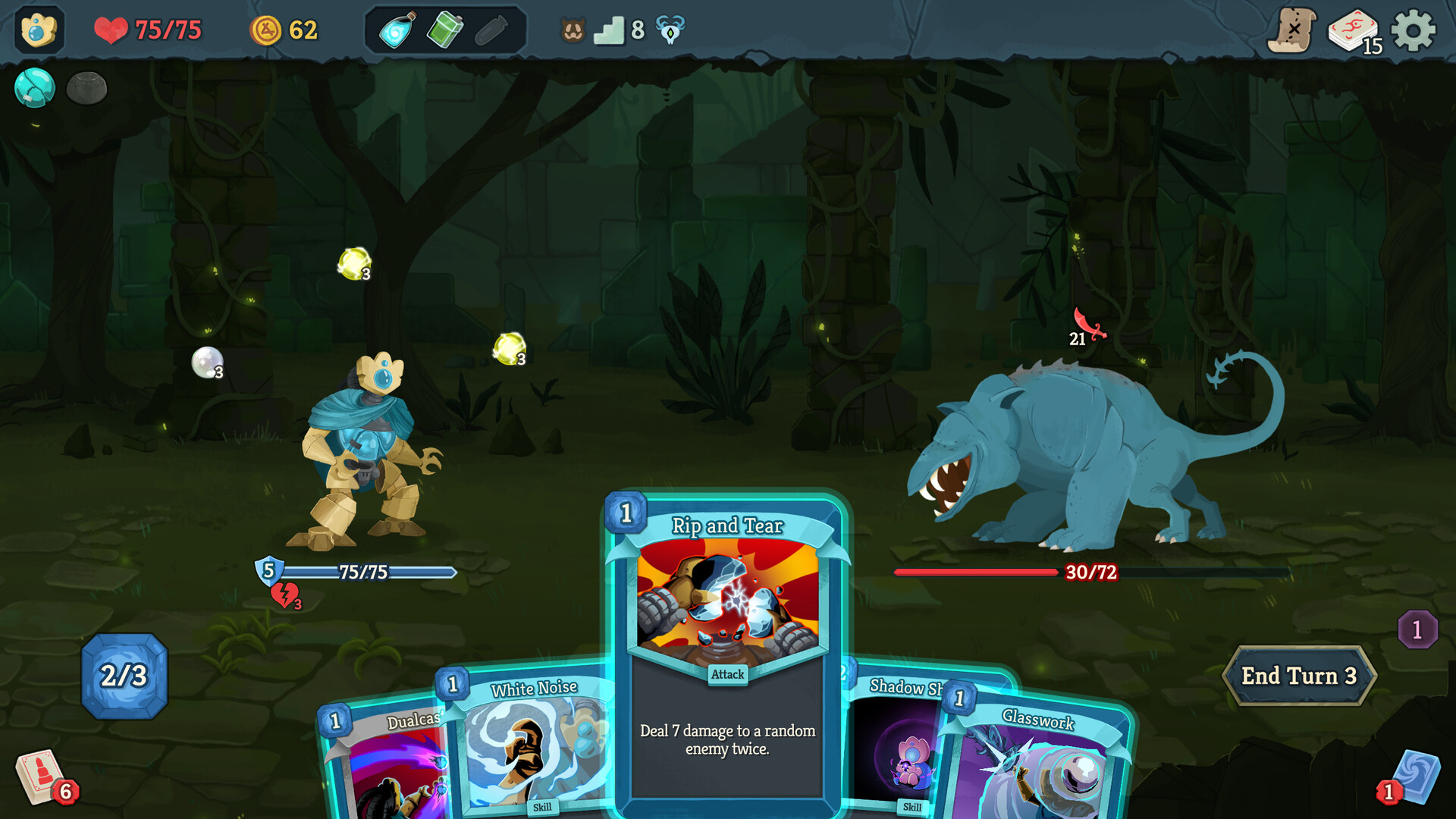
The sequel to the game that defined deckbuilder roguelikes is here, and it's the real deal. Mega Crit took six years, migrated from Unity to Godot, and shipped two new characters (Necrobinder and Regent), alternate acts with randomized versions per run, and cooperative multiplayer for up to four players. The card design is tighter, the balance more forgiving, and the build variety is staggering. Early Access launched March 5, 2026 and Mega Crit is still shipping weekly patches.
The Intents system returns with improvements: enemies still telegraph their moves, but new enemies mix patterns in ways that force you to think two turns ahead instead of one. Whether you're a STS1 veteran or walking in fresh, this is the deckbuilder to beat in 2026.
Why it's here: Still the tightest card balance in the genre, and the best entry point for anyone who hasn't tried a deckbuilder. Also check out our Slay the Spire 2 launch coverage for why it's dominating Steam sales.
Get it on Steam · $24.99 · By Mega Crit
2. Hades II
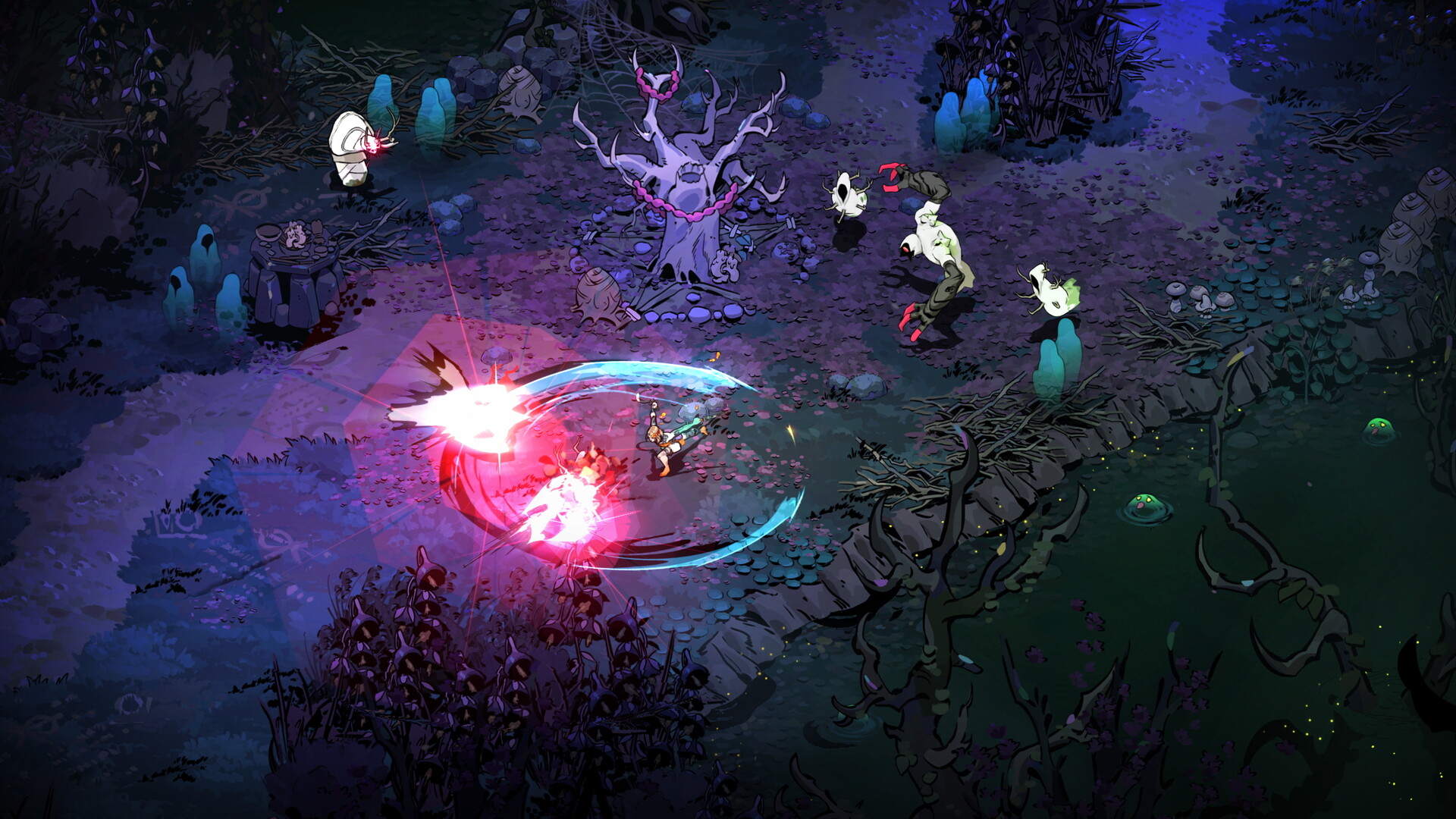
Melinoe's run through the underworld is technically still in early access, but Supergiant keeps shipping updates at a pace that makes you question what magic they have working over there. New boons, new areas, new boss fights on the regular.
The combat is as tight as the original, but the meta-progression is deeper. The relationship system, talking to NPCs between runs and unlocking backstory through repeated encounters, remains the genre's best argument that narrative and roguelike design aren't just compatible, they're synergistic.
Why it's here: Supergiant's combat design is untouchable. No one makes you want to die and try again like they do.
Get it on Steam · $23.99 · By Supergiant Games
3. Balatro
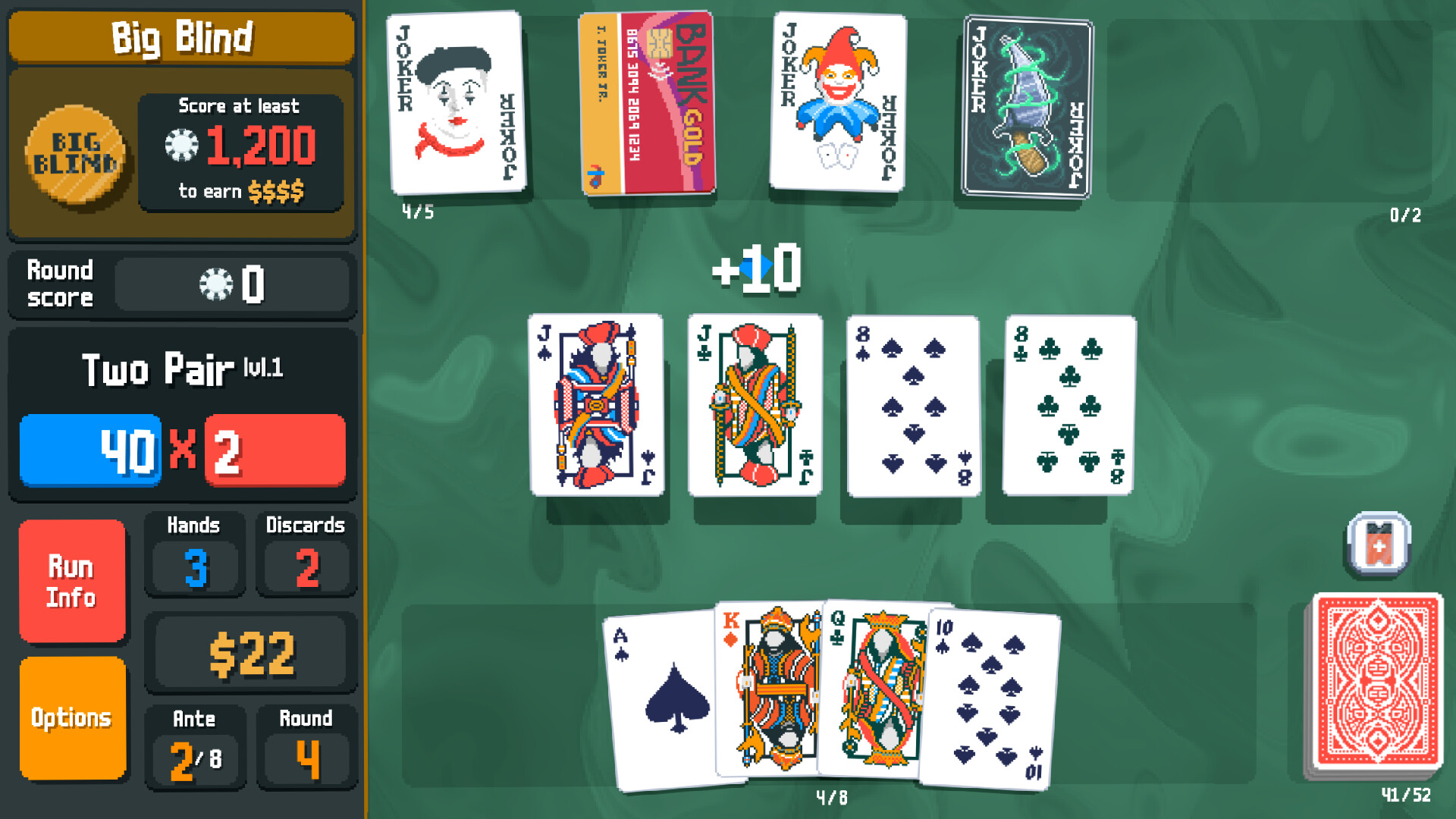
A solo developer from Saskatchewan turned poker into a roguelike and sold five million copies. That sentence shouldn't make sense, but here we are.
Balatro's genius is that you already know the rules before the tutorial starts. You know what a flush is. You know three of a kind beats two pair. The game only has to teach you what's different, the Jokers, the modifiers, the bosses, and then it sets you loose to discover interactions that LocalThunk himself didn't anticipate. The 150+ Jokers were designed to be breakable. Finding a combo that shatters the scoring ceiling isn't a bug, it's the entire point.
Why it's here: Pure dopamine. Every run produces at least one "I can't believe that worked" moment. Also the best gateway drug for people who think they don't like roguelikes.
Get it on Steam · $14.99 · By LocalThunk
4. Vampire Survivors

The game that spawned a genre still gets updates, and it's still impossibly addictive. You don't need to think, you move, and the builds happen. Weapons auto-fire, enemies swarm, and two hours evaporate.
But calling it mindless misses what makes it work. The real decision-making is in what you pick up and what you skip. Evolution recipes create genuine strategic choices in the first ten minutes that determine whether your build explodes or fizzles. It's just that the execution layer is frictionless enough that you can play it while watching something else, which is a design achievement, not a flaw.
Why it's here: The most frictionless roguelike experience ever made. Pick it up, zone out, and wonder where your evening went.
Get it on Steam · $3.49 · By poncle
5. Hades
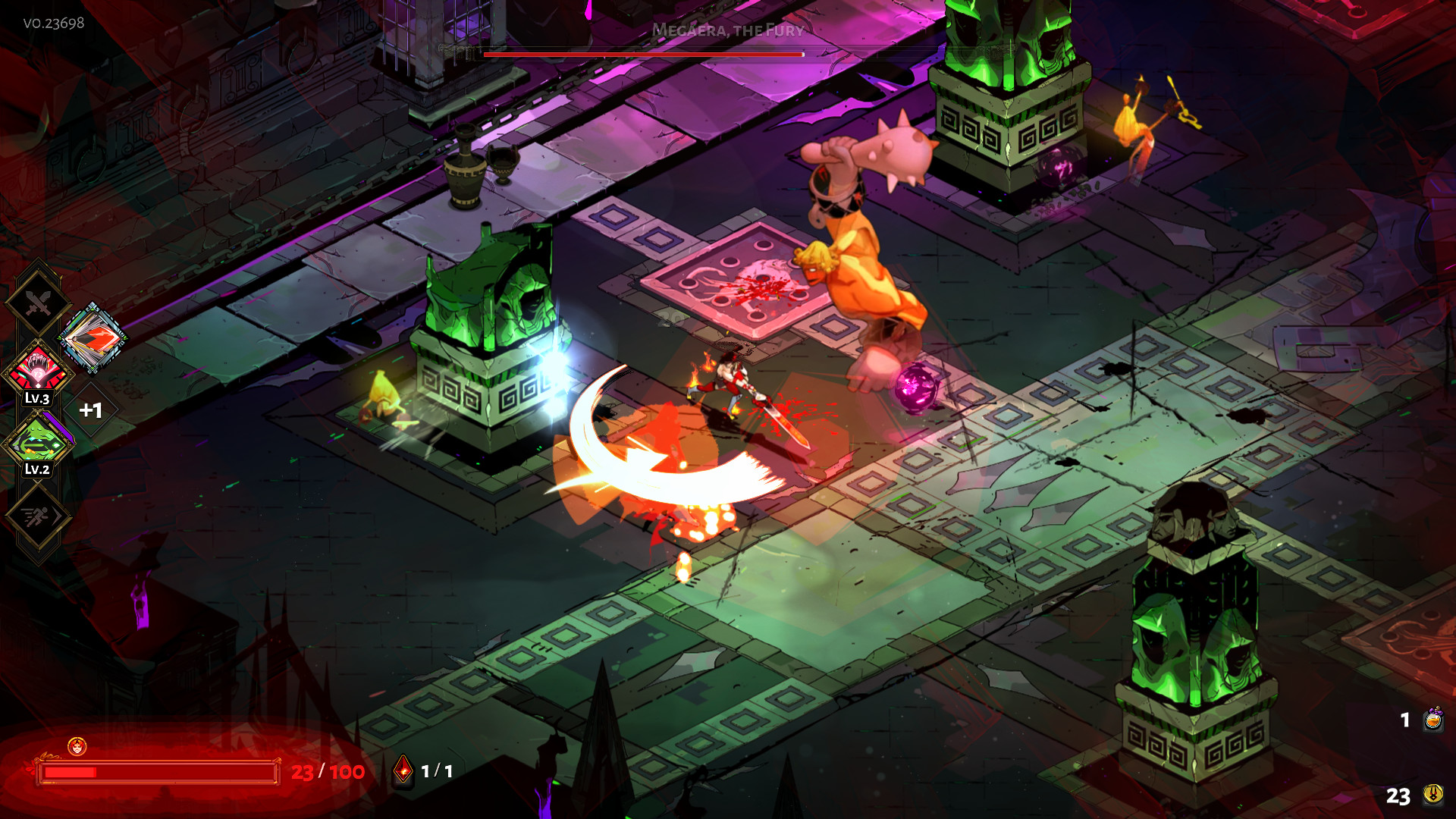
The original still holds up. If you somehow haven't played Zagreus's story yet, and look, the Steam numbers say some of you haven't, there's no better time. The combat is razor-sharp, the narrative arc is one of the best in any game (roguelike or not), and the progression system respects your time.
The boons system lets you experiment wildly without penalty. Every run teaches you something about the weapon you're holding and the god whose powers you're borrowing. By run 20, you're making decisions that would have paralyzed you on run 1, and that's the whole design working exactly as intended.
Why it's here: The gold standard for action roguelikes. If you only play one game on this list, make it this or Slay the Spire 2 depending on whether you prefer cards or combat.
Get it on Steam · By Supergiant Games
6. Dead Cells
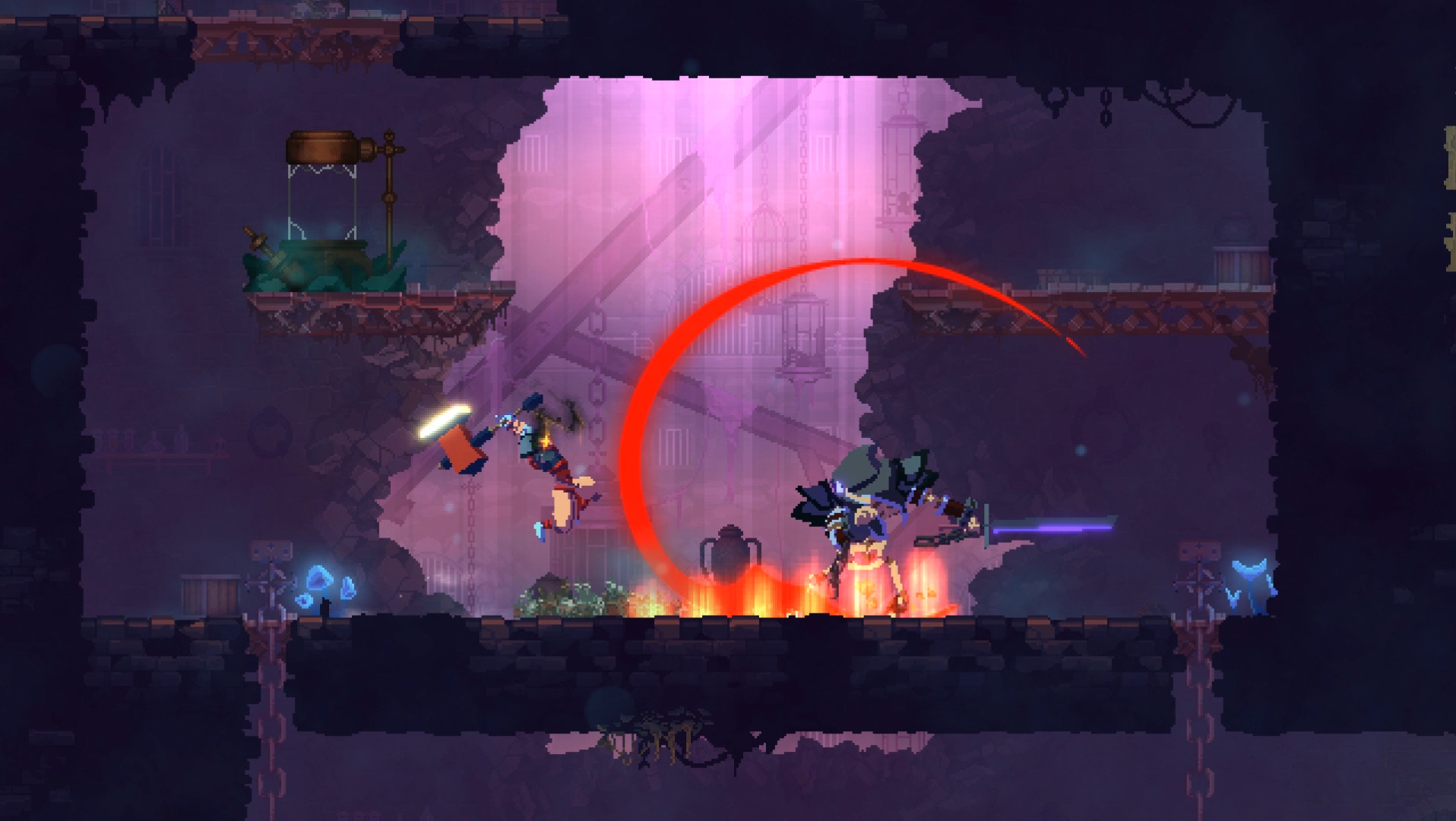
Still receiving updates after all these years. The motion design alone makes this worth playing: fluid combat, satisfying parries, and enough weapon variety to keep you experimenting for a hundred hours.
Dead Cells lives in the space between action roguelike and Metroidvania. The runs are faster than Hades, the combat is more technical, and the skill ceiling is higher. If Hades is about mastery through knowledge, Dead Cells is about mastery through execution.
Why it's here: Best-in-class combat feel in a side-scroller roguelike. Pure dopamine when a run clicks.
Get it on Steam · $12.49 · By Motion Twin
7. Inscryption
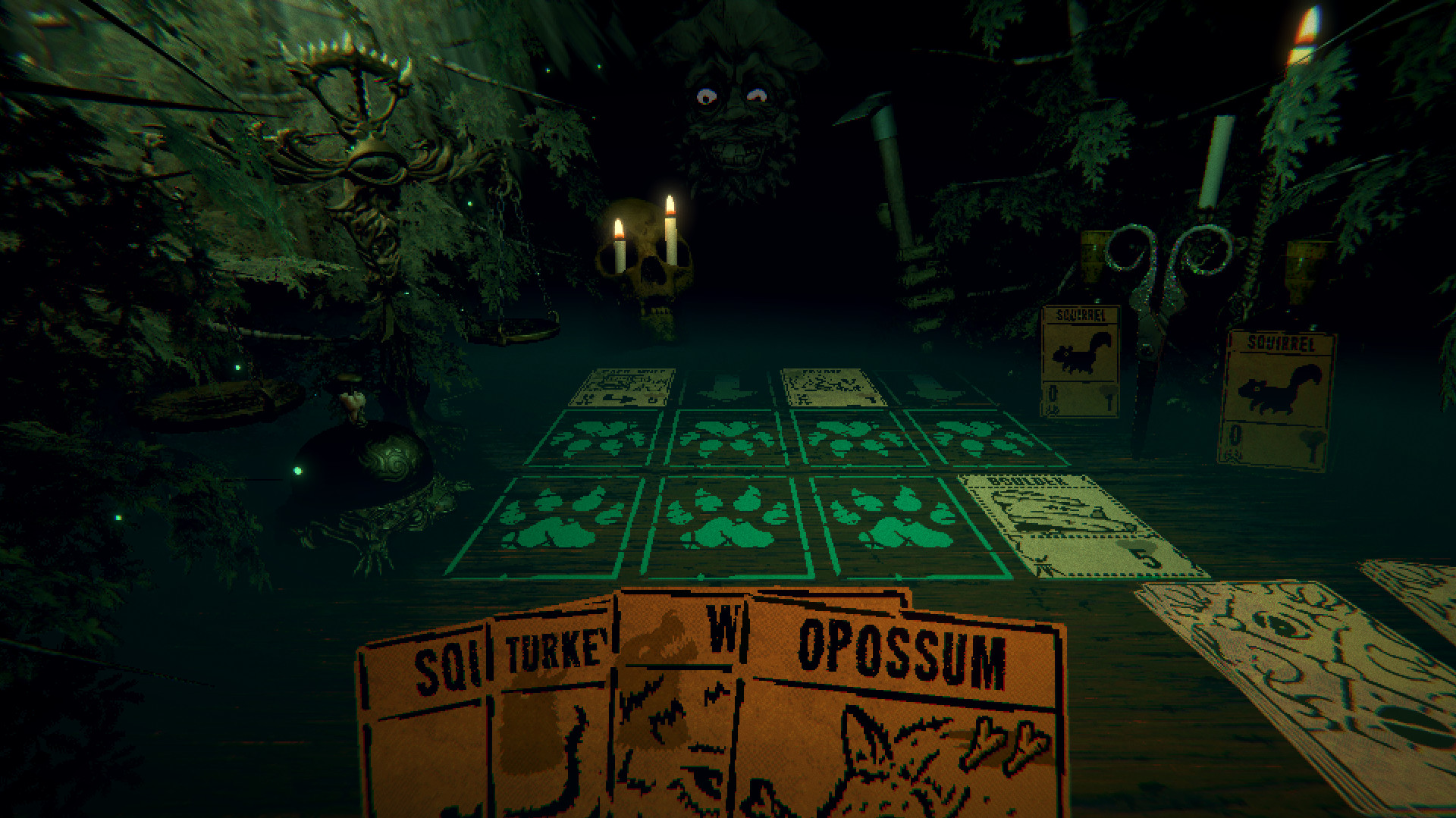
Part deckbuilder, part horror, part escape room. Daniel Mullins made something that shouldn't work, and it absolutely does.
The less you know going in, the better. That's not a cop-out: the game's central trick depends on subverting expectations, and it does it more than once. What starts as a cabin-based card game turns into something you'll be thinking about for weeks after the credits roll. It's one of the few games on this list that genuinely innovated the structure of a roguelike run rather than just the mechanics.
Why it's here: The best argument that the Slay the Spire template is a floor, not a ceiling.
Get it on Steam · $19.99 · By Daniel Mullins Games
8. Risk of Rain 2

3D roguelike shooter with escalating chaos. The longer a run goes, the more absurd it gets. Items stack, enemies multiply, and the screen fills with particle effects and adrenaline. It's one of the few roguelikes where "everything is broken" isn't a bug, it's the reward for surviving long enough to stack your build.
The 3D shift could have been a gimmick. Instead, it creates spatial decisions that 2D roguelikes can't replicate: positioning matters, kiting matters, and the terrain becomes part of your strategy. Four-player co-op turns the chaos up to eleven.
Why it's here: Scales from chill to overwhelming in the best way. The perfect co-op roguelike. Also see our Best Multiplayer Roguelikes roundup for more co-op picks.
Get it on Steam · $24.99 · By Hopoo Games
9. Spelunky 2

The platformer roguelike that hates you and loves you at the same time. Procedural levels that feel hand-crafted. Multiplayer chaos. A world that keeps going whether you're ready or not, bombs chain, shops can get robbed, and a stray arrow can trigger a cascade that kills you three rooms away.
Every run tells a story. The emergent gameplay is unmatched, no other roguelike produces the kind of unscripted chaos that makes Spelunky 2 a better spectator sport than most games designed for streaming.
Why it's here: Emergent gameplay that no other roguelike matches. Just accept you're going to die a lot.
Get it on Steam · $19.99 · By Mossmouth, BlitWorks
10. Darkest Dungeon II
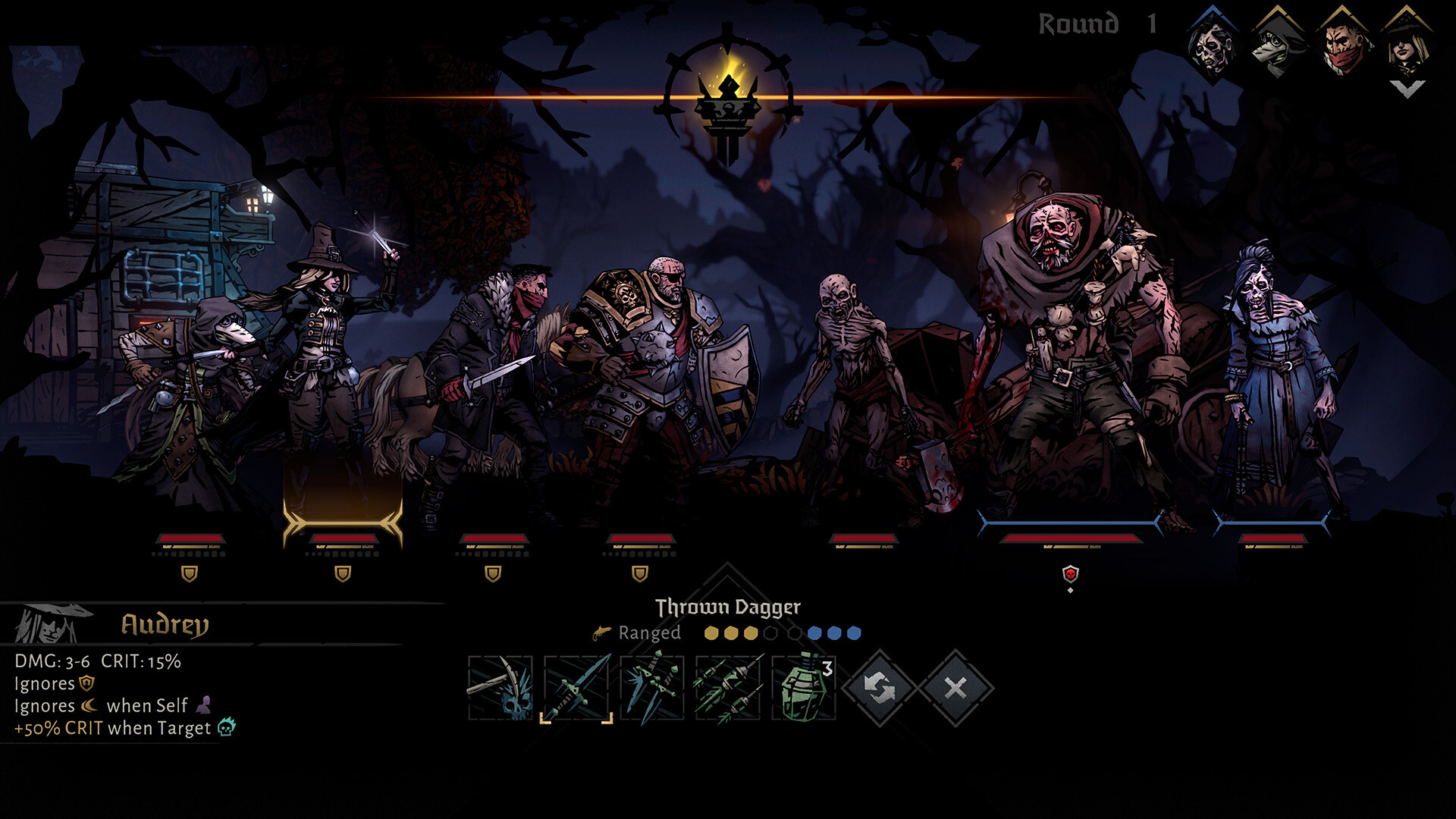
The sequel went full roguelike and it was the right call. The original's town management is gone, replaced by carriage runs through a Lovecraftian apocalypse. The stress mechanic still ruins your day, but now it's attached to a tighter, faster loop.
Party management is the core skill. You're not just building one character, you're balancing a team of four against enemies that target your weakest link. The relationship system between party members adds a social dynamics layer that no other roguelike touches.
Why it's here: Tactical depth and real consequences for bad decisions. CRPG fans who want shorter runs and more tension.
Get it on Steam · $39.99 · By Red Hook Studios
11. Enter the Gungeon
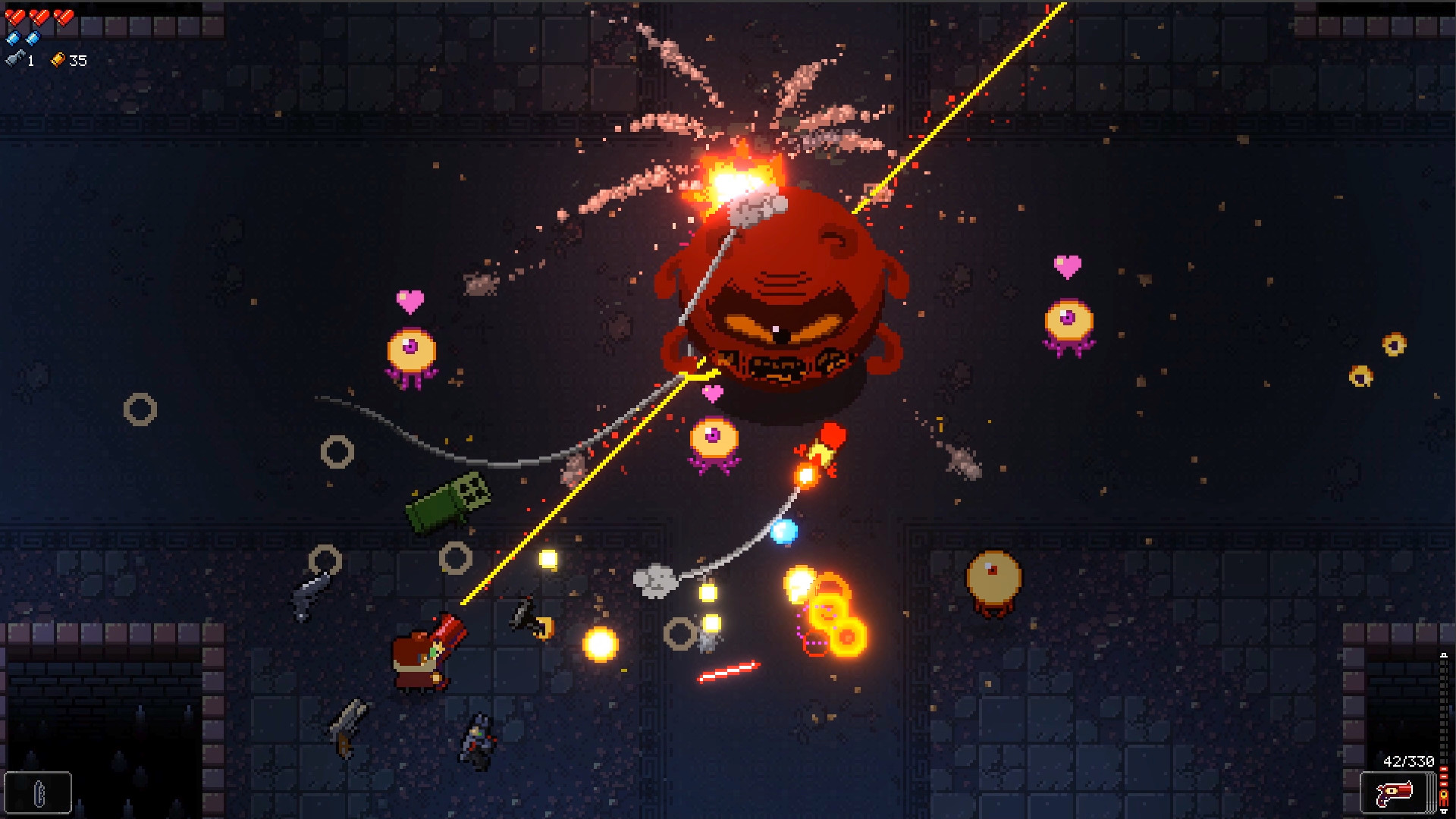
Bullet hell roguelike with more guns than any game has a right to include. The dodge roll is one of the best mechanics in the genre, a single button that doubles as defense, repositioning, and a panic button.
Skill-based progression means the game gets better as you get better. The first few hours are rough because you don't know the enemy patterns. By hour 20, you're dodging through bullet walls and clearing rooms without taking damage. The gap between "I'm terrible at this" and "I just beat the past" is the whole point.
Why it's here: Pure skill-based progression. When you improve, you feel it.
Get it on Steam · $14.99 · By Dodge Roll
12. Brotato
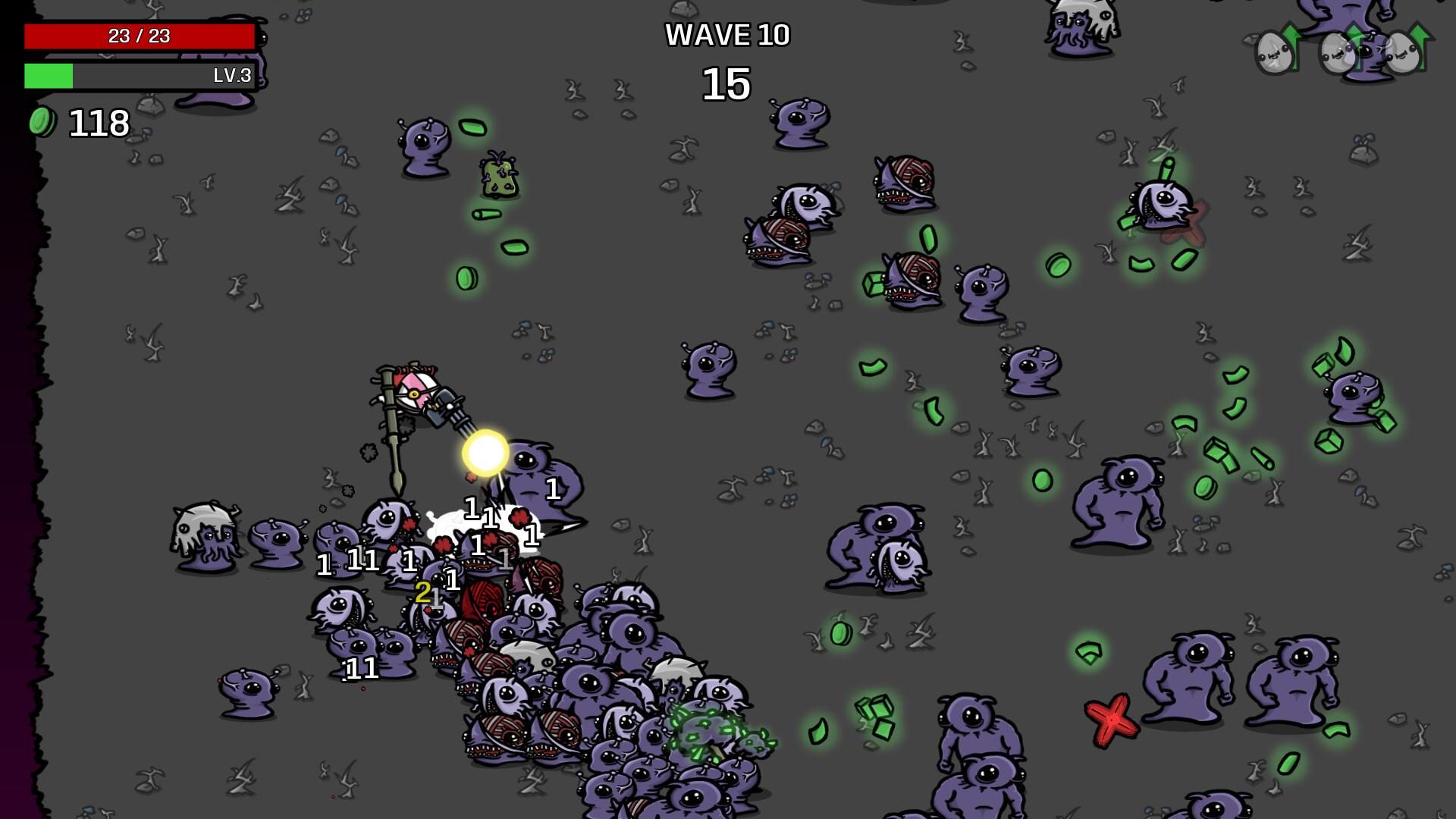
The Vampire Survivors formula refined into a wave-based arena shooter. You're a potato. You have guns. It works.
Runs are shorter than Vampire Survivors (30 waves, usually 15 to 20 minutes), builds are wilder because you can hold six weapons simultaneously, and it never takes itself seriously. The shop between waves adds a decision layer that VS deliberately avoids, making it the better game if you want more strategic depth without sacrificing the dopamine loop.
Why it's here: Vampire Survivors' tactical cousin. Shorter runs, more decisions, same number-go-up highs.
Get it on Steam · $4.99 · By Blobfish
Also Worth Playing
These don't get full entries but they're worth your time if you've burned through the top picks.
- Vampire Crawlers ($9.99): From the creators of Vampire Survivors, this is a turn-based roguelike deckbuilder that launched earlier this year. It's not just a reskin, it's a genuine genre pivot for poncle, mixing the team's autobattler DNA with deckbuilding and dungeon crawling. Check out the Vampire Crawlers game page for details.
- Monster Train ($24.99): Two-lane tower defense meets deckbuilding. Each floor is a separate lane with its own units and spells. Positioning matters as much as card picks. The lane system creates tactical depth that single-board deckbuilders can't match. Get it on Steam
- Monster Train 2 ($24.99): The sequel shipped May 2025 with new clans, new enemy factions, new modes. If you liked the original, this is more and better. Get it on Steam
- Griftlands ($19.99): Deckbuilder RPG with two separate deck types: combat and negotiation. You can fight your way through or talk your way out. Both systems are fully developed, and some encounters let you choose your approach. By Klei Entertainment, makers of Don't Starve. Get it on Steam
- Cobalt Core ($19.99): Sci-fi deckbuilder with a timeline mechanic. Your ship's position on the timeline affects which enemy attacks you can dodge and which weapons you can fire. Positioning matters as much as card picks. Get it on Steam
- Caves of Qud ($23.99): Traditional roguelike with a science-fantasy setting and decades of development depth. The 1.0 release shipped December 2024 and it's one of the deepest games in the genre, period. Turn-based, grid-based, permadeath. Not for the faint of heart. Get it on Steam
- Dwarf Fortress ($23.99): The legendary simulation game. The Adventure Mode (roguelike) got a full Steam update in 2022. The Fortress Mode is arguably the deepest management sim ever made, but Adventure Mode is where the roguelike fans go. Get it on Steam
- Across the Obelisk ($19.99): Four-player co-op deckbuilder. Each player controls a character with their own deck. You can share cards with teammates, buff each other's builds, and coordinate strategies. The solo mode works, but co-op is where it shines. Get it on Steam
- Dawncaster ($19.99): Deckbuilder RPG that doesn't sacrifice depth for accessibility. Three classes with branching paths, a dark fantasy setting, and a pace that works for shorter sessions. Released on Steam February 2026. Get it on Steam
- Chrono Ark ($24.99): Anime-styled deckbuilder RPG with party members and story events. Sits between Slay the Spire and a JRPG: you manage a party, not just a single deck. Creative boss designs. Get it on Steam
- Peglin ($19.99): Peggle meets deckbuilding. You fire pegs at a board of pins, dealing damage based on which pegs you hit. Your deck adds orbs, crit modifiers, and special effects. It's absurd and it works. Get it on Steam
- Dicey Dungeons ($14.99): Deckbuilder with dice instead of cards. Each class uses dice differently, and the game keeps inventing new ways to make rolling numbers feel fresh. By Terry Cavanagh (VVVVVV). Get it on Steam
- Library of Ruina ($29.99): Korean deckbuilder RPG that's not afraid to be difficult. Incredible writing, punishing encounters, and a story that goes places you won't expect. More literary than most games in the genre. Get it on Steam
- Vault of the Void ($17.99): Pure card combat with no RNG between encounters. Draft your deck, then fight. If you hate the randomness of Slay the Spire's card draw, this is the antidote: your skill matters more than your luck. Get it on Steam
Roguelike Guides & Articles on GameMinr
- Best Multiplayer Roguelikes to Play With Friends: The definitive co-op roguelike roundup
- Best Soulslike Games for Beginners: If you want another genre that punishes you until you git gud
FAQ
What's the difference between a roguelike and a roguelite? A roguelike has permadeath with no progression between runs: when you die, you start completely from scratch. Spelunky 2 and Caves of Qud are roguelikes. A roguelite adds meta-progression: unlocks, currencies, and permanent upgrades that carry across runs. Hades, Dead Cells, and Slay the Spire 2 are roguelites. In practice, most people just say "roguelike" for both.
Which roguelike should I play first? If you like card games, start with Slay the Spire 2 ($24.99). If you prefer action combat, start with Hades ($6.24 on sale). If you want something you can play with your brain half-off, Vampire Survivors ($3.49) is the easiest entry point in the genre.
Are roguelikes only for hardcore gamers? No. That was true a decade ago, but the genre has diversified significantly. Balatro is a poker game. Vampire Survivors plays itself. Slay the Spire 2 lets you choose your difficulty. The "roguelikes are too hard" reputation comes from traditional games like Caves of Qud, which are a small (and great) part of the genre.
What's the best co-op roguelike? Risk of Rain 2 for action, Across the Obelisk for deckbuilding. Both support up to four players and get meaningfully better with friends. See our Best Multiplayer Roguelikes roundup for more.
Why isn't Enter the Gungeon higher on this list? Enter the Gungeon is excellent, but it has a steeper learning curve than the games above it. Once you "get" Gungeon, it's one of the best in the genre. But the first 5 to 10 hours are rough, and our list prioritizes games that respect your time from run one.


