


Sir, We Have an Orc Problem Made Over $1 Million in One Week. Here's What Indie Devs Should Take From It
- Aug 04 2026
-

A small indie team just made over a million dollars in seven days with a tower defense game built in four months. That sentence should make every indie dev on Steam stop and pay attention.
Mumpitz Games reported the numbers themselves on August 4, 2026, exactly one week after launching Sir, We Have an Orc Problem. The figures: over $1,000,000 in gross revenue, nearly 128,000 units sold, and 87% positive across more than 2,000 Steam reviews. The game is priced at $9.99 with a 10% introductory discount. It released July 28, 2026.
Let's break down why this worked and what other Steam indie developers can learn from it.
The Game: Simple Hook, Tight Scope
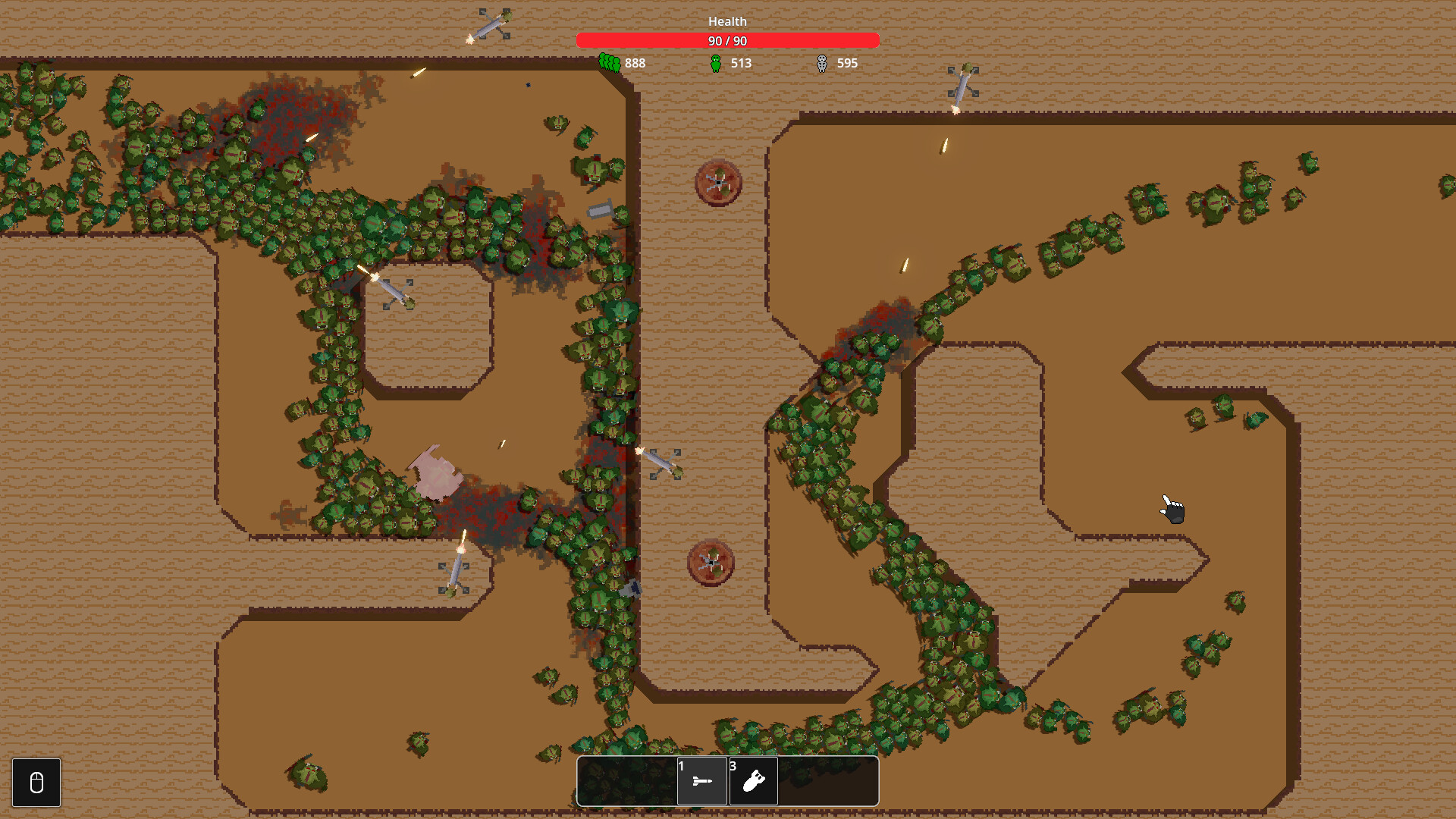
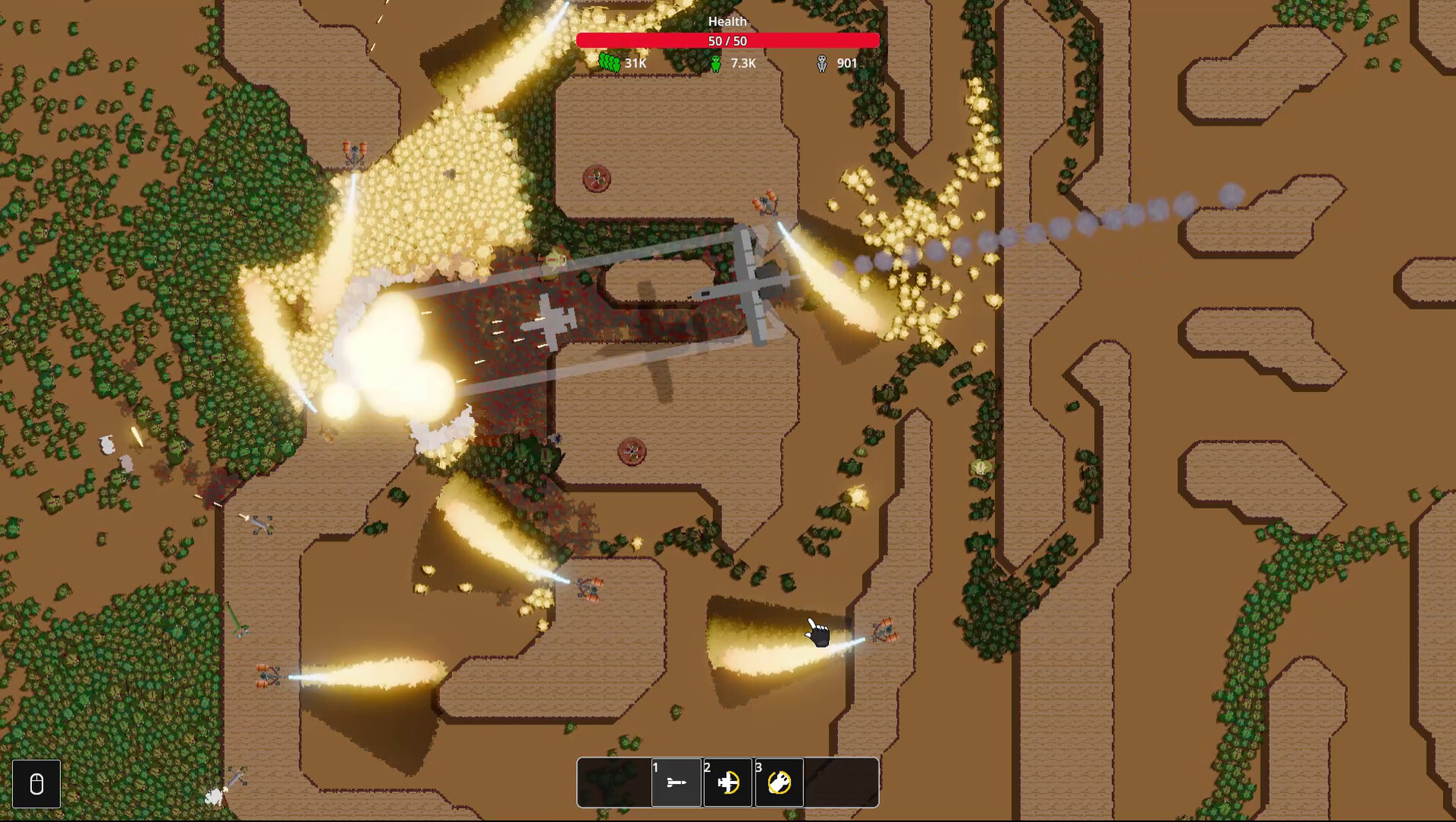
Sir, We Have an Orc Problem is an incremental-style tower defense game. You defend a base against overwhelming orc hordes with bullets, bombs, and lasers, then pour resources into a massive upgrade tree between runs. The roguelite structure keeps sessions replayable. The description calls it "short," which is honest. There is no sprawling open world, no branching narrative, no voice acting budget.
This is a game that knows exactly what it is. The Steam tags tell the story: Tower Defense, Incremental, War, Roguelite, Military. Five tags. One clear identity. A player looking at the store page for ten seconds understands the entire proposition.
Lesson 1: Four Months Is Enough If You Respect Scope
Four months from start to launch. No early access. No multi-year development cycle. No scope creep.
This is the part most indie devs struggle with. The instinct is to build more: more systems, more content, more polish. Mumpitz Games clearly defined the minimum viable fun and shipped it. The game has 11 Steam achievements. That is not a 100-hour campaign. It is a tight, replayable loop with progression depth coming from the upgrade tree rather than raw content volume.
If you are a solo dev or small team, the lesson is not "rush your game." It is "design something you can actually finish." Tower defense with incremental progression is a genre that supports short development cycles because the core loop is inherently replayable. Pick a genre that works within your timeline, not against it.
Lesson 2: The $9.99 Price Point Is Sweet Spot Pricing
At $9.99 with a 10% launch discount ($8.99), Sir, We Have an Orc Problem sits in the impulse-buy zone. This is below the $14.99 threshold where Steam browsers start to hesitate. It is above the $4.99 race-to-the-bottom tier where games look cheap.
The developer's previous game, Tiny Auto Knights (released November 2025), is priced at $14.99. Dropping to $9.99 for the second title was a deliberate choice, and the volume speaks for itself. 128,000 units at $8.99 grosses far more than 40,000 units at $14.99 would have.
For indie devs: if your game is a short, focused experience, do not be afraid of the sub-$10 price point. Volume at a lower price frequently beats margin at a higher price, especially when you have a genre with broad appeal. Tower defense has mainstream awareness. Price it where the mainstream will impulse buy.
Lesson 3: Ship Your Second Game Fast
This is Mumpitz Games' second Steam release. Tiny Auto Knights, a PvP auto battler, launched November 7, 2025. That means the developer shipped two complete games in roughly nine months.
The advantage here is compounding. The Steam developer page now shows two titles, which builds store page authority. Players who discovered Mumpitz through Tiny Auto Knights had a developer to follow. The Steam follower count is only 473, which suggests the audience carryover was modest, but even a few hundred followers translates to day-one visibility on the "new release from a developer you follow" shelf.
Most indie devs spend 2-3 years on a debut and then vanish. The pattern that works is: ship, learn, ship again faster. Each release teaches you the store page, the wishlist funnel, the review economy, and the update cadence. You cannot learn these things from a game that never ships.
Lesson 4: 87% Positive Is Enough
The game sits at "Very Positive" on Steam with 87% positive from over 2,000 reviews. That is good but not great. It is not the 96% Overwhelmingly Positive tier that viral indie hits sometimes hit.
And it did not matter. The game still sold 128,000 copies in a week.
This is an important data point for indie devs who obsess over review percentages. Steam's algorithm cares about volume and velocity, not just ratio. 2,000+ reviews in one week signals a hot product to the algorithm regardless of whether the positive rate is 87% or 95%. The "Very Positive" badge is sufficient to convert store page visitors into buyers. You do not need perfection. You need a good game that enough people are playing fast enough to generate review velocity.
The developer also noted in their tweet that they "will continue to improve the game." Post-launch support matters for maintaining that review score over time, but the initial sales window does not require a flawless ratio.
Lesson 5: Day-One DLC and Bundles Are Smart Revenue Stacking
On August 4, one week after launch, Mumpitz Games released a Supporter Pack DLC for $2.99. They explicitly noted in the announcement that it is "strictly optional" and players "won't miss anything" without it.
This is the right way to do supporter DLC. A low-priced cosmetic or bonus pack that lets enthusiastic fans throw a few extra dollars your way, with zero pay-to-win or content gating, generates additional revenue from your most engaged players without alienating anyone. At 128,000 copies sold, even a 5% attach rate on a $2.99 DLC adds nearly $20,000.
The game is also bundled with Diplomacy is Not an Option and Nordhold, two other tower defense titles. Cross-genre bundling puts your game in front of players browsing adjacent titles who might not have found you otherwise. For a new release with momentum, being in a bundle with established games in the same genre is essentially free discovery.
Lesson 6: Tower Defense Is Having a Moment
The bundles tell a story. Diplomacy is Not an Option and Nordhold are both tower defense games that have built audiences. Sir, We Have an Orc Problem is the newest entry in a genre that is quietly thriving on Steam.
Tower defense is a genre with low player fatigue. The core mechanic (place defenses, survive waves, upgrade) is endlessly replayable without needing narrative innovation. Players who finish one tower defense game do not move on from the genre the way they do after finishing a story-driven RPG. They look for the next one. That makes it an ideal genre for indie devs who want repeatable commercial success.
If you are considering your next project and want commercial viability, look at genres with low fatigue and high replayability. Tower defense, auto battlers, roguelites, and incremental games all fit this profile. Tiny Auto Knights (auto battler) and Sir, We Have an Orc Problem (tower defense/incremental) are both in this category. That is not a coincidence.
The Numbers in Context
$1 million in gross revenue, for a small developer in most countries, is a life-changing week. It is also more than many indie games gross in their entire lifetime. The median Steam indie game sells under 1,500 copies. Sir, We Have an Orc Problem sold 85 times that in seven days.
This is not luck. It is the result of: a genre with proven demand, a price point that maximizes volume, a scope that fits the timeline, a clear store page proposition, and the discipline to ship. Every one of those decisions was under the developer's control.
What This Does Not Mean
It does not mean every tower defense game will make $1 million. It does not mean four months is the right timeline for every game. It does not mean $9.99 is always the right price.
What it means is that the formula works when the pieces fit together. Genre demand plus tight scope plus smart pricing plus shipping discipline equals a real commercial outcome. Mumpitz Games executed that formula. The numbers are the proof.
Where to Play
Sir, We Have an Orc Problem is available on Steam for $9.99, currently discounted to $8.99 through August 11 as an introductory offer. The Supporter Pack DLC is available for $2.99. Steam Deck status: Playable.
Source: Mumpitz Games revenue update on X, Steam store page data as of August 4, 2026.
