


The Blood of Dawnwalker Is Out Now: The Ex-CDPR Studio's Vampire RPG Debuts Strong
- Sep 04 2026
-

It's launch day. The Blood of Dawnwalker is out today on PC, PS5, and Xbox Series X|S for $69.99, and it arrives with the kind of reception most studios spend a decade chasing: a Metacritic around 83, OpenCritic "Mighty" at roughly 84 with 89% of critics recommending it, and scores like IGN's 9/10 and Destructoid's 9.5/10. The pedigree is the story before you even press start: Rebel Wolves is led by Konrad Tomaszkiewicz, director of The Witcher 3, and this is the first game from his studio of fellow CD Projekt Red veterans. Their debut is a dark fantasy vampire RPG where you have exactly 30 days and nights to save your family, and where every hour you spend has a cost.
In Blood of the Dawnwalker, you play as Coen, a young man in Vale Sangora, a gothic fictional kingdom tucked into the Carpathian Mountains in the 14th century. The kingdom is being ravaged by plague, and the king's answer is brutal: execute everyone infected. Into that vacuum steps Brencis, an ancient vampire who seizes control of the Vale, cancels the king's decree, and offers the population something seductive: the undead's own blood cures the plague. The price is a "blood tax," a few drops from every adult.
Then Brencis takes Coen's family to his castle, where they are meant to serve as sacrifices at his investiture as Prince, one month away. That month is your game.
The hook that separates Dawnwalker from every other open-world RPG this year is what Coen becomes: human by day, vampire by night. By daylight he is a sword-wielding man who can walk among the living, barter, and fight like one. After dark he is something the Vale fears, with vampiric powers that open different paths through the world. The same quest can play out entirely differently depending on which half of the cycle you attempt it in, and the day/night split is not cosmetic: it is the core resource system.
Rebel Wolves has been clear that this is chapter one of a planned saga. The studio intends to build more games in the same universe in different historical eras, each with a self-contained story, no cliffhangers required. That is an unusual commitment for a studio whose first game shipped today.
The 30-Day Clock Is the Whole Game
Here is the mechanic everyone will be talking about: you have 30 days and nights to reach the overarching goal, and time does not tick on its own. Only actions that matter to the plot, taking quests, completing them, leveling up, advance the clock. Wandering the open world is free. Each day and night is divided into eight time segments, and quests announce their cost with an hourglass before you commit.
The twist is that there are more time-consuming quests than there are segments to spend. You cannot do everything. Spending an evening making tea for a friend is a real cost, because that is an evening you did not spend hunting Brencis's lieutenants or preparing for the endgame. Leveling up costs time too, so even self-improvement is a trade.
This is a gamble that most open-world design has avoided for a decade, because time pressure is exactly the thing players say they hate. Reviews suggest it works. Eurogamer's Robert Purchese called the game "a hell of a debut," and PCGamesN's reviewer described deliberately breaking the game's time economy, spending precious hours to make tea for a dear friend or share a story with an old lady, and concluded it was one of his favorite games in years. The constraints turn a checklist open world into a series of meaningful choices, which is the oldest promise in RPG design and one almost no AAA game still keeps.
How Reception Landed
The review embargo lifted Monday, August 31, and the verdict came in fast. Metacritic sits around 83 on both PC and PS5, OpenCritic averages roughly 84 with a "Mighty" badge, 89% of critics recommend it, and it ranks in the top 9% of games reviewed on the site.
The high end is loud: IGN's Travis Northup scored it 9/10 and called it "my new favorite vampire game and one of the best story-driven RPGs I've played in a long time." Destructoid went 9.5/10, PCGamesN and RPG Site both went 9/10, and GAMINGbible gave it 9/10, saying the time mechanic "adds a brilliant sense of urgency into the open-world" and that they would be glad to see it walk away with 2026's GOTY trophy. GameSpot scored it 8/10, its reviewer "shocked" at how well-written the enormous quest count is.
The criticism is real too. Game Informer landed at 70/100, and Push Square's 7/10 called the gameplay "serviceable, yet frustratingly stunted." The common threads in the lower scores: quest design that repeats, combat that leans on "Simon Says" parries, and a launch build some reviewers found rough, with VGC reporting a choppy frame rate and bugs while others ran it smooth. That track record is worth knowing before you buy, even if the overall verdict is clearly positive.
Steam users landed on Mostly Positive (75% of 1,500+ reviews) in the first day, with the usual day-one split between people playing it flawlessly and people hitting the jank the critics mentioned.
One console note: the initial announcement of a 40 FPS cap on consoles drew backlash, and Rebel Wolves committed to a day-one patch enabling 60 FPS on PS5 and Xbox Series X (the Series S exception stays). If you are playing on console today, make sure the patch is downloaded.
Why This Launch Matters
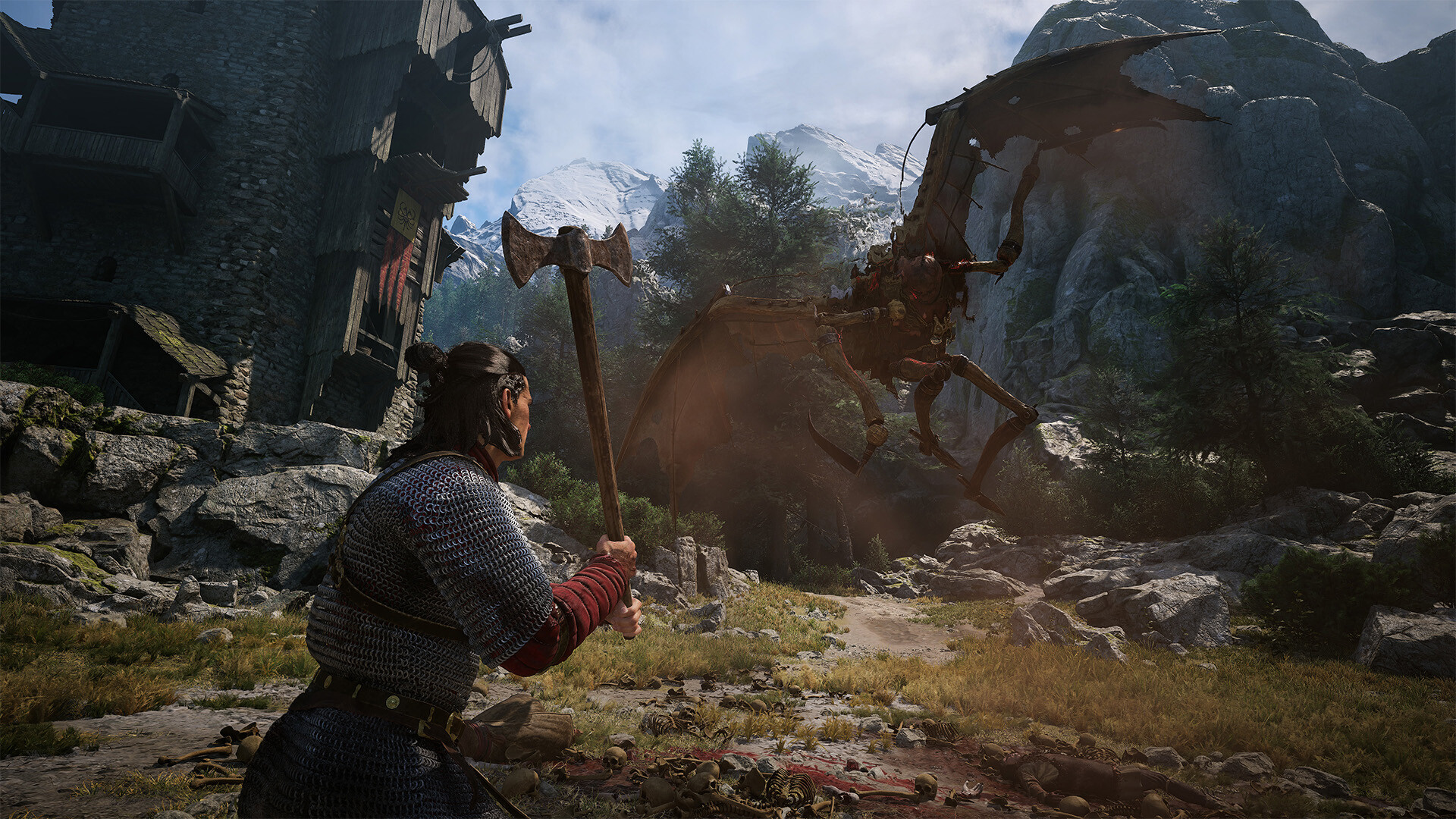
Three reasons this launch is bigger than one good game.
First, the pedigree bet paid off. The industry narrative for years has been that big-studio veterans either retire or get absorbed into ever-larger franchises. Rebel Wolves is roughly 100 people who left CDPR to make something smaller, weirder, and theirs, and Bandai Namco backed it. A mid-80s debut on a first attempt is the strongest possible proof that the "ex-AAA indie studio" model works, and you can expect a wave of imitators to announce themselves within the year.
Second, the time-limited open world might be the fix the genre needs. The 30-day structure is the most aggressive answer yet to the "open worlds are 100 hours of filler" complaint: not a smaller map, but a clock that makes density matter. If Dawnwalker sells the way reviews suggest it will, watch how many 2027 open-world games suddenly discover time pressure as a feature.
Third, this is a franchise starting today, not a one-off. The saga plan (same universe, different eras, self-contained stories) means the game shipping today is also a pitch for the next five years. First entries that land this well tend to get the sequel budget to fix the jank.
What We're Most Excited About
The day/night split as a design pillar. Plenty of games have day/night cycles. Almost none make the divide the player's own identity. Human Coen and vampire Coen are different tools for the same world, and the best stories in this game will be the ones where you solve a problem with the wrong half of yourself and live with the consequences.
A debut that respects your calendar. The hourglass system, where every quest tells you what it costs before you commit, is the rare mechanic that treats the player's time as the real currency. It is exactly the kind of system that only works if the writing underneath it is good, and the reviews say it is.
What Rebel Wolves does with a hit. A self-contained story with no cliffhanger, a saga plan spanning eras, and a debut this strong is the best possible opening hand. The sequel conversation starts now, and for once the studio has earned the benefit of the doubt.
Where to Play
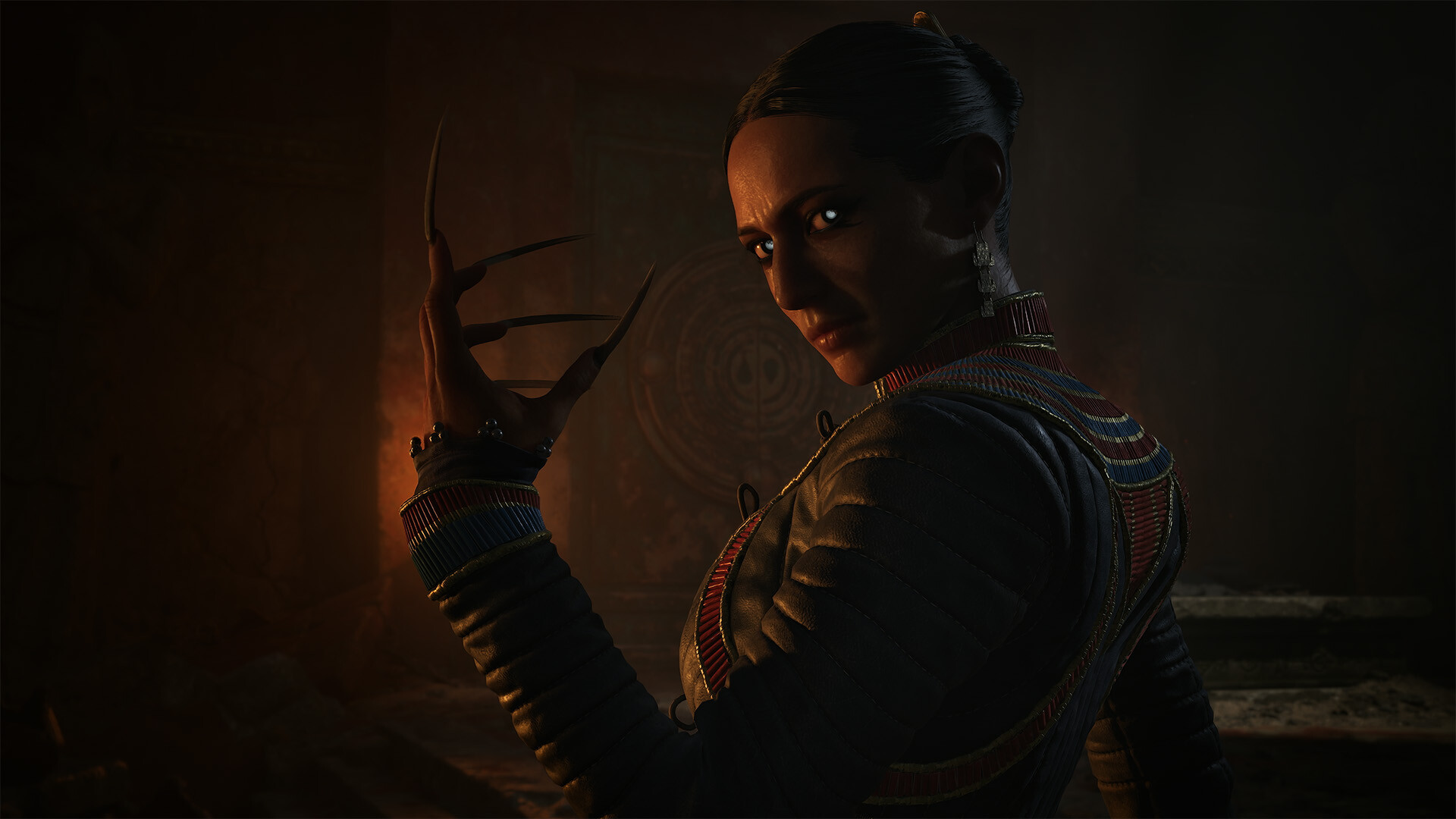
The Blood of Dawnwalker is out now on Steam ($69.99), PS5, and Xbox Series X|S. Single-player only, Unreal Engine 5. Console players get the 60 FPS day-one patch on PS5 and Xbox Series X; Steam users have already pushed past 2,000 reviews on day one, landing at Mostly Positive.
More on GameMinr: The Witcher 3: Songs of the Past and Remastered Are the 2027 Reset CDPR Needed -- what the studio Tomaszkiewicz left is doing next · Best Soulslike Games for Beginners (And Where to Start) -- more demanding action RPGs worth your time · Mortal Shell II Is Out Now -- another small-team action RPG that launched big this month
